
How to Get Orange County Court Records
Search Indiana MyCase first when you need a cause number or a public case summary. MyCase often provides the docket and any eligible documents. Orange County offers no separate public county search or copy-order form. If MyCase comes up short, contact Elizabeth Jones, Orange County Clerk. She serves both Orange Circuit and Orange Superior.
Keep every channel in your plan. The clerk counter handles local inspection and copying. The access rule depends on the record type. A phone call works well for routing, current instructions, and fees. Written requests by mail or fax may work. Confirm the accepted channel with the clerk first. The county's email does not appear in the current court directory. Verify it before sending records, identity material, or payment.
- Find the cause number and identify the Orange court.
- Name the exact filing, event date, or full file needed.
- Check MyCase and its document-access table.
- Call the clerk to confirm inspection, mail, fax, certification, fees, and payment.
- Send the request through the confirmed channel and retain the response.
Orange County Clerk Record Channels
The Orange County Clerk sits at 1 Court Street, Paoli, Indiana 47454. Call 812-723-2649 or fax 812-723-0239. The state directory posts no counter hours and lists no Orange public terminal. Confirm both before you travel. Orange Superior has its own listing at 205 East Main Street, Suite 16. Ask which location holds the file. Also ask whether the record is paper, digital, inspection-only, or restricted.
The Indiana court-record request guide sends requests to the clerk of the court where the matter was heard. Transcripts belong with the court reporter. A judge's office can answer routing questions, yet it cannot substitute for a clerk request for the official file.
Types of Orange County Court Records
One phrase, several products. Matching each product to its custodian saves delays and wrong fee assumptions. Orange County Clerk records can span the public case header, the chronological docket, pleadings, motions, orders, judgments, and other filed items. What you can reach online depends on the case type and its confidentiality rules.
- A docket or case summary lists metadata and events.
- A filed document is the actual pleading, order, exhibit, or judgment.
- A certified copy is authenticated by the clerk.
- A transcript is made by the reporter from spoken proceedings.
- A driver record is a separate BMV product, not a court record.
Municipal administrative records sit with a different custodian. No active Orange city or town court identifier exists. Town ordinance and meeting files may belong to town government, while a trial-court cause stays with the Orange County Clerk.
Orange Docket Entry vs Document
Think of a docket entry as the chronological index of an event. It may note that a motion was filed, an order issued, or a hearing set. The filed document is the content behind that entry. A public MyCase event can exist even when no PDF is posted online. Older documents may be missing from remote access entirely. That distinction drives any good Orange County record request. Name the entry and the paper behind it.
The Indiana e-filing schedule lays out which courts and case types accept electronic filing.
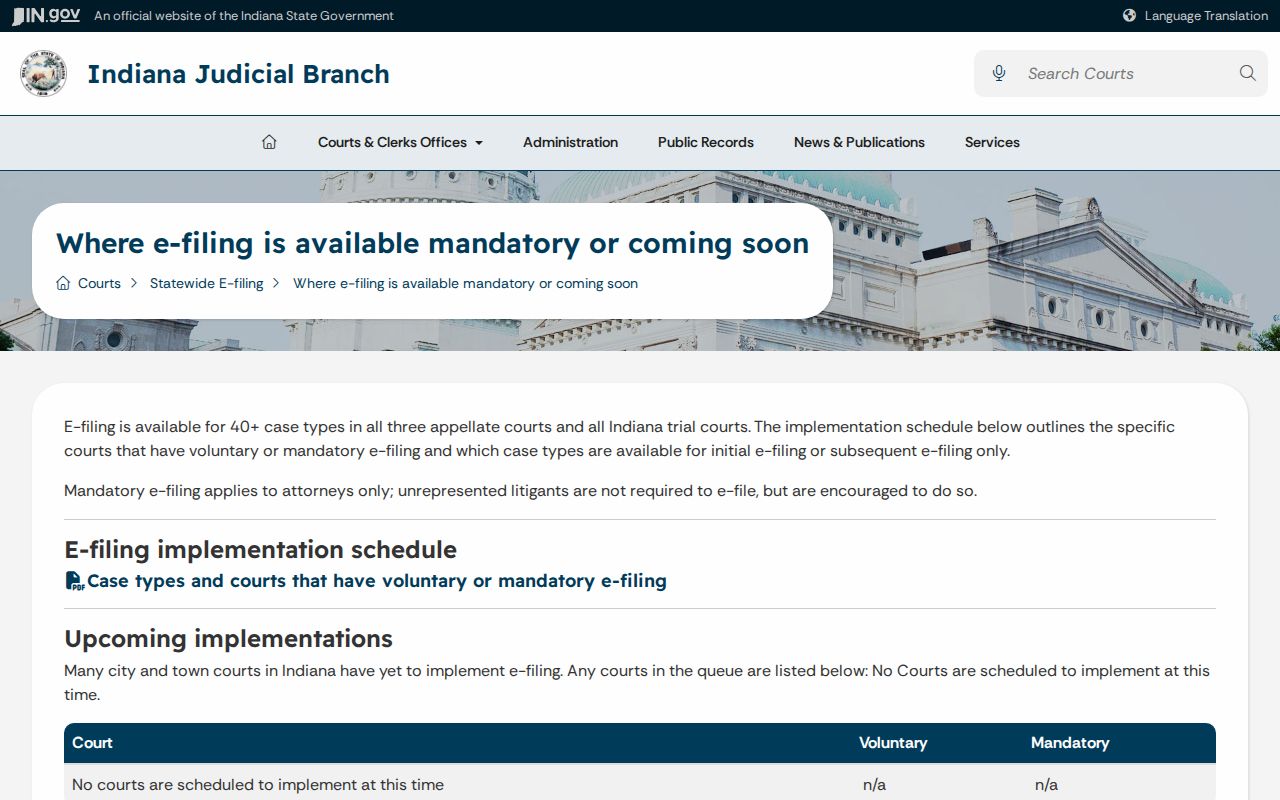
E-filing governs how a filing reaches the court. It is not a public records order system. Ask for the named document and its entry date rather than asking the clerk to print whatever is online.
What an Orange County Court Record Contains
The official file may blend index data with individual filings. Availability varies, and confidential information may be redacted or excluded. Keep the public docket separate in your request from attachments and the reporter's transcript.
| Cause number | Orange code 59, court, filing month, type, and sequence |
|---|---|
| Case header | Style, court, type, file date, and status |
| Docket | Chronological filings, hearings, orders, and dispositions |
| Pleadings | Complaints, petitions, answers, and motions where public |
| Orders and judgments | Court directives and operative decisions |
| Documents and exhibits | Filed material subject to access and redaction rules |
Status lines tell only part of the story in an Orange County court record. Check the operative order and any later filings too, since judgments can be modified or satisfied after the entry you first see.
Orange County Copies and Certification
A plain copy just reproduces a filed record. A certified copy adds the clerk's authentication. State references list $1 per legal or letter copy page. They list $1 for a certificate under seal. A judgment transcript lien runs $3. Treat those figures as statewide anchors rather than a promised Orange County total. The county publishes no separate mailing, research, media, or processing charges.
The official State Board of Accounts clerk reference backs up this fee framework.
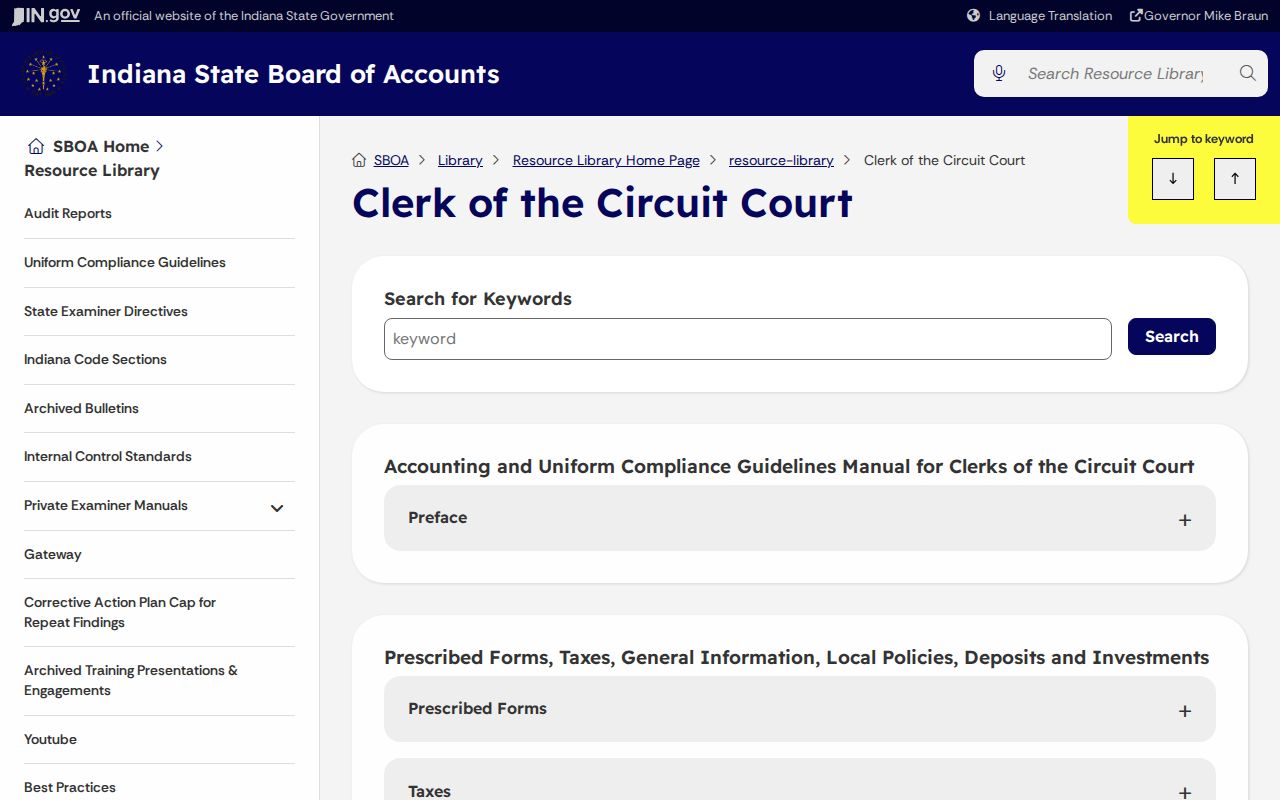
Ask the clerk for the current amount, the payment method, and the delivery option. Also ask whether certification is charged per document or per request.
| Record product | Published reference |
|---|---|
| Legal or letter copy page | $1 state reference |
| Certificate under seal | $1 state reference |
| Judgment transcript lien | $3 state reference |
| Orange mailing or research fee | Confirm with clerk |
Orange County Transcript Requests
A transcript is not a docket printout. It is the written record of spoken proceedings, created by the court reporter. Identify the cause, the court, and the hearing date. Also say whether you want ordinary or expedited delivery. Orange local rules set ordinary transcripts at $5.50 per page. Expedited work runs up to $10.50 per page within 24 hours. It can also run $7.50 per page within three working days. A $50 minimum applies to expedited jobs. Ordinary transcripts under seven pages carry a $35 minimum. Binding and supplies may add cost.
Reach the assigned court reporter directly, or ask the clerk which reporter covered the hearing. Never assume every hearing was transcribed in advance. Request an estimate and delivery terms before you order. If all you need is the date, the result, or the written order, a docket is the more direct record. A filed document works just as well.
Special Orange Court Records
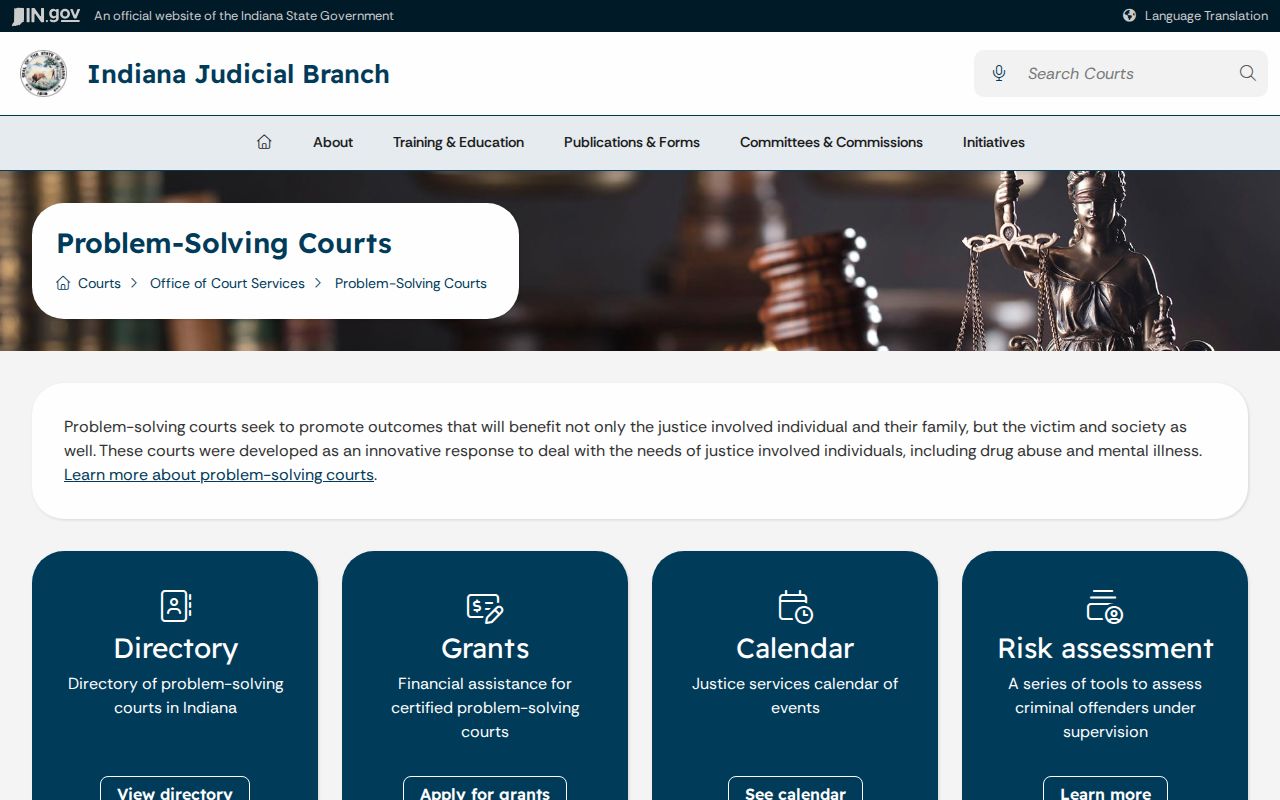
Orange County problem-solving court files can hold three different things at once. One part is the case record itself. Another is program paperwork. A third is confidential treatment information. Those pieces are not one public file. Treat them separately. Indiana's problem-solving courts program lays out the certification framework behind these courts.
The Court Alcohol and Drug Programs source provides the related statewide framework.
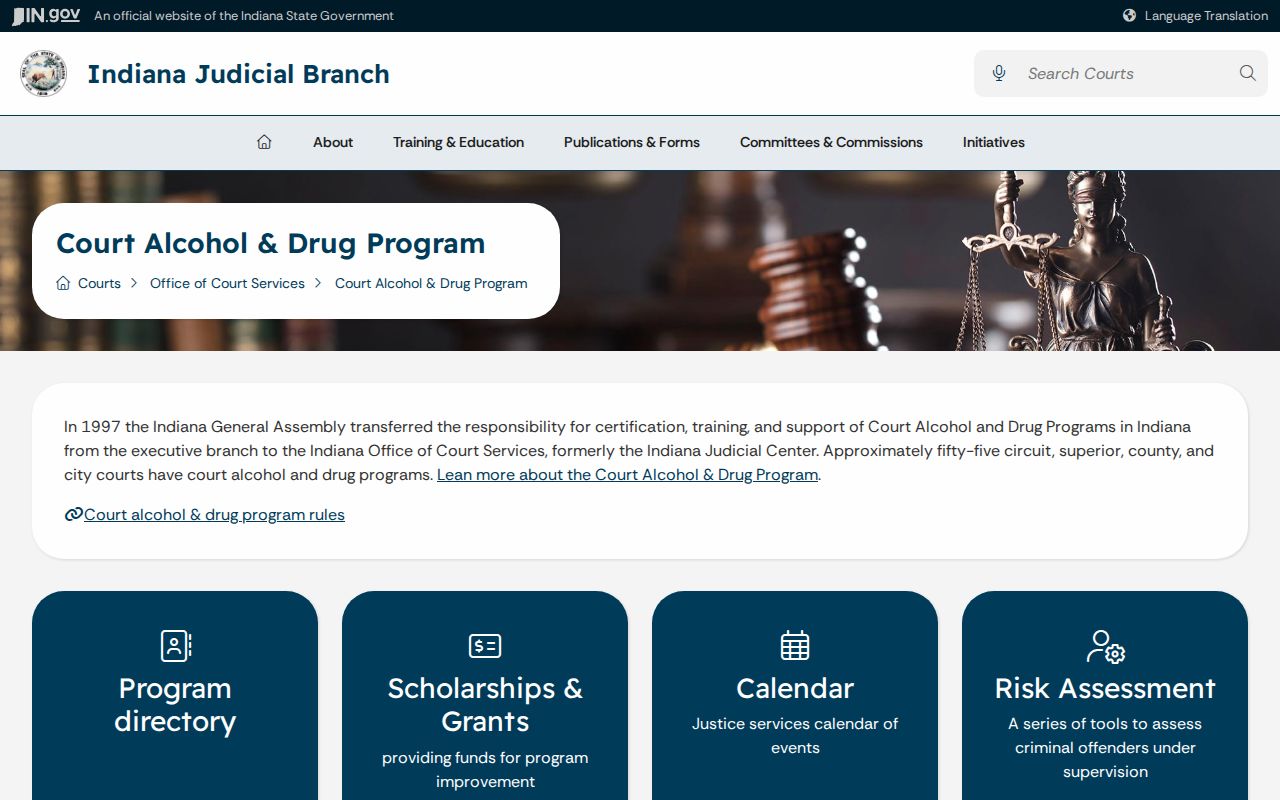
Ask the Orange County Clerk directly which portion counts as a public case record and which office holds the rest. Joining a program does not spawn a separate public docket database to search.
Certified Copies and Orange County Fees
State fee anchors give you a rough frame. But get a current quote before sending anything. Orange County has no posted copy schedule of its own. The same goes for turnaround times, electronic-delivery charges, and accepted payment methods. Say whether you need an ordinary copy or a certified one. Explain why the certification form matters. Always give the cause number and the exact date of the document.
For a mail or fax request, settle the details first. Confirm the destination, the return method, prepayment rules, the identification requirement, and the accepted format. Never send confidential identity documents or card numbers to an inbox you have not verified. If the record is open and you can reach the courthouse, ask to inspect it. That beats paying for copies.
Note: MyCase public searching is free. But clerk copies, certification, transcripts, filing, and payment services can each carry their own charges.
Public Access to Orange County Court Records
Indiana starts from openness. Access to Court Records Rule 4 presumes court records are accessible unless another rule says otherwise. Rule 5 lists what is excluded. Juvenile, mental-health, protection-order, sealed, expunged, and personal-data material is off limits. That applies to an ordinary public copy request. A case can be public while a single filing inside it stays confidential.
For excluded records, Access Rule 9 offers a verified judicial process for extraordinary requests. The Access to Public Records Act, Indiana Code 5-14-3, covers public-agency records. It does not override the court access rules. Administrative Rule 9 also governs courthouse and remote access, daily dockets, and bulk requests through the Indiana Office of Judicial Administration.
Access boundary: Ask the Orange County Clerk whether a public, redacted, in-person, party-access, or verified-request version exists. Missing online content is not proof that no record exists.